Morning slots
We ask how much cognitive bandwidth exists before noon. Some clients need grab-and-go assemblies; others want a ten-minute ritual. Both are valid; we avoid prescribing a single “ideal” breakfast archetype.
Educational framing
This page explains how we discuss breakfast, lunch, dinner, and the fuzzy spaces between them when you work with Zomralexmlix. Language stays descriptive: we talk about timing, variety, sensory balance, and kitchen flow. We do not assign therapeutic meaning to individual foods, and we never promise that a pattern will treat or prevent illness.
If you are looking for organizational clarity—how to rotate produce without a spreadsheet obsession, or how to close the kitchen mentally after a late shift—read on. If you need medical nutrition therapy, we will cheerfully defer to your licensed clinicians.
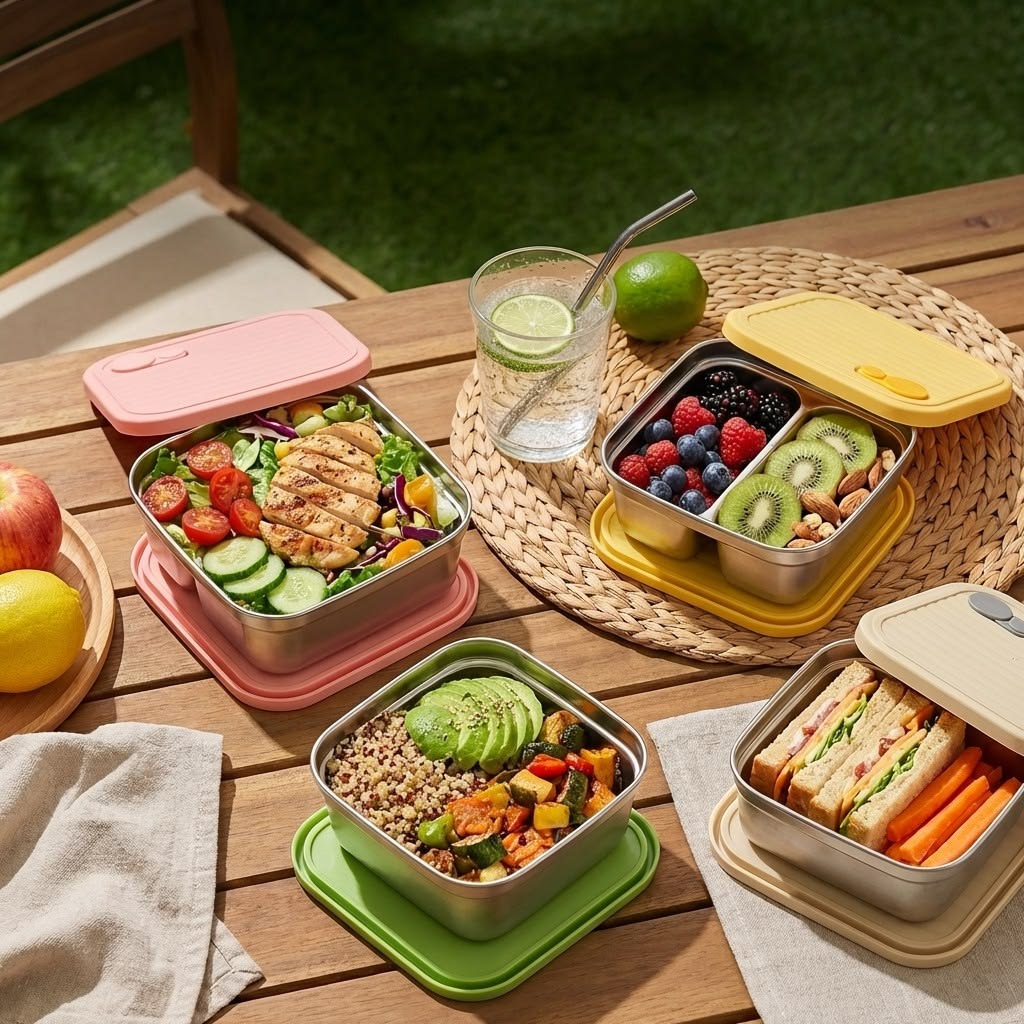
Illustrative portions only. When prescribed diets apply, follow your care team’s instructions.
We name a short list of items you already tolerate and enjoy. Rotation builds outward from that list so grocery trips have a default aisle strategy without locking you into repetition.
Produce variety is described in gentle color bands—leafy, root, nightshade, citrus—rather than prescriptive micronutrient targets that belong in clinical settings.
We discuss how you signal the end of eating windows for sleep hygiene partners, always respecting that shift workers and caregivers may need different shapes.
Households with mixed preferences get modular bases: one pot, several finishers, so customization does not mean cooking three unrelated entrées every night.
Rhythm
Timing questions—how close together snacks sit, whether lunch slides on meeting-heavy days—often hold more stress than ingredient choice. We document your real clock: school pickup, commute, medication schedules you mention, and the nights someone else cooks.
Only after that skeleton exists do we layer food ideas. Skipping the sequence tends to produce beautiful menus that never launch.
We ask how much cognitive bandwidth exists before noon. Some clients need grab-and-go assemblies; others want a ten-minute ritual. Both are valid; we avoid prescribing a single “ideal” breakfast archetype.
Lunch might be a box, a shared plate, or two smaller pulses. We label each pattern with the logistics it requires so you can swap without guilt.
Dinner prep windows get honest time estimates. If thirty minutes is the max, we do not script hour-long projects except as weekend options.
Planned bridges reduce reactive grazing. We describe them as optional, not mandatory, and adjust copy for people recovering from disordered eating with clinician input.
Kitchen flow
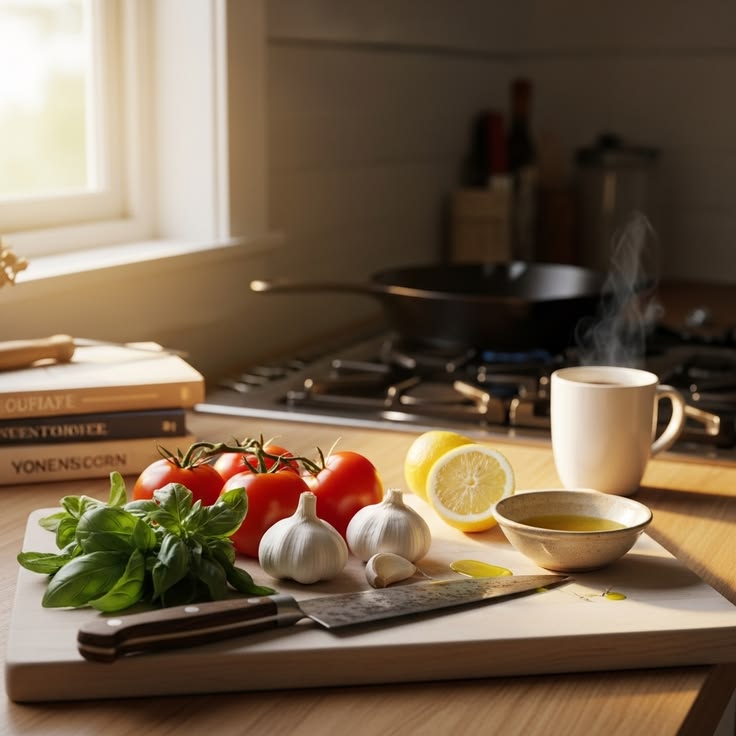
Batch work is grouped by tool and posture: one cutting-board session, one sheet-pan roast, one simmer that does not need babysitting. The objective is fewer context switches, not influencer-level mise en place.
Language
Verbs stay neutral: pair, contrast, alternate, echo. We avoid hype or fear. Satisfaction is a sensory goal, not a proxy for laboratory metrics.
Pairings address mouthfeel so meals feel complete without invoking metabolism claims.
Warm and cool components can track preference, weather, or sensory sensitivity—not therapeutic effect.
We might suggest “a different herb family than yesterday” rather than enumerating grams of fiber.
Short-cut options—frozen, canned, or deli—are listed without moral language when bandwidth is thin.
Only if you explicitly purchase that format—and even then, lists are suggestions subject to your clinician’s oversight. Most clients prefer flexible templates.
You document them; we avoid cross-contact language that belongs to manufacturers. We never challenge a disclosed allergy.
Yes. We start from your values and pantry reality, not from a default cultural template.
Tell us which meal slot feels most chaotic, what you have already tried, and whether you want async notes or live conversation first. We answer during studio hours with next-step realism.
Write the team